
6 Ways Janitorial Services Boost Workplace Safety
Maintaining a safe workplace environment is paramount for any organization. Workplace safety not only protects employees from potential hazards but also enhances productivity and job satisfaction. Janitorial services play a crucial role in maintaining safety standards by keeping the work environment clean and healthy.
1. Reducing Slip and Fall Accidents
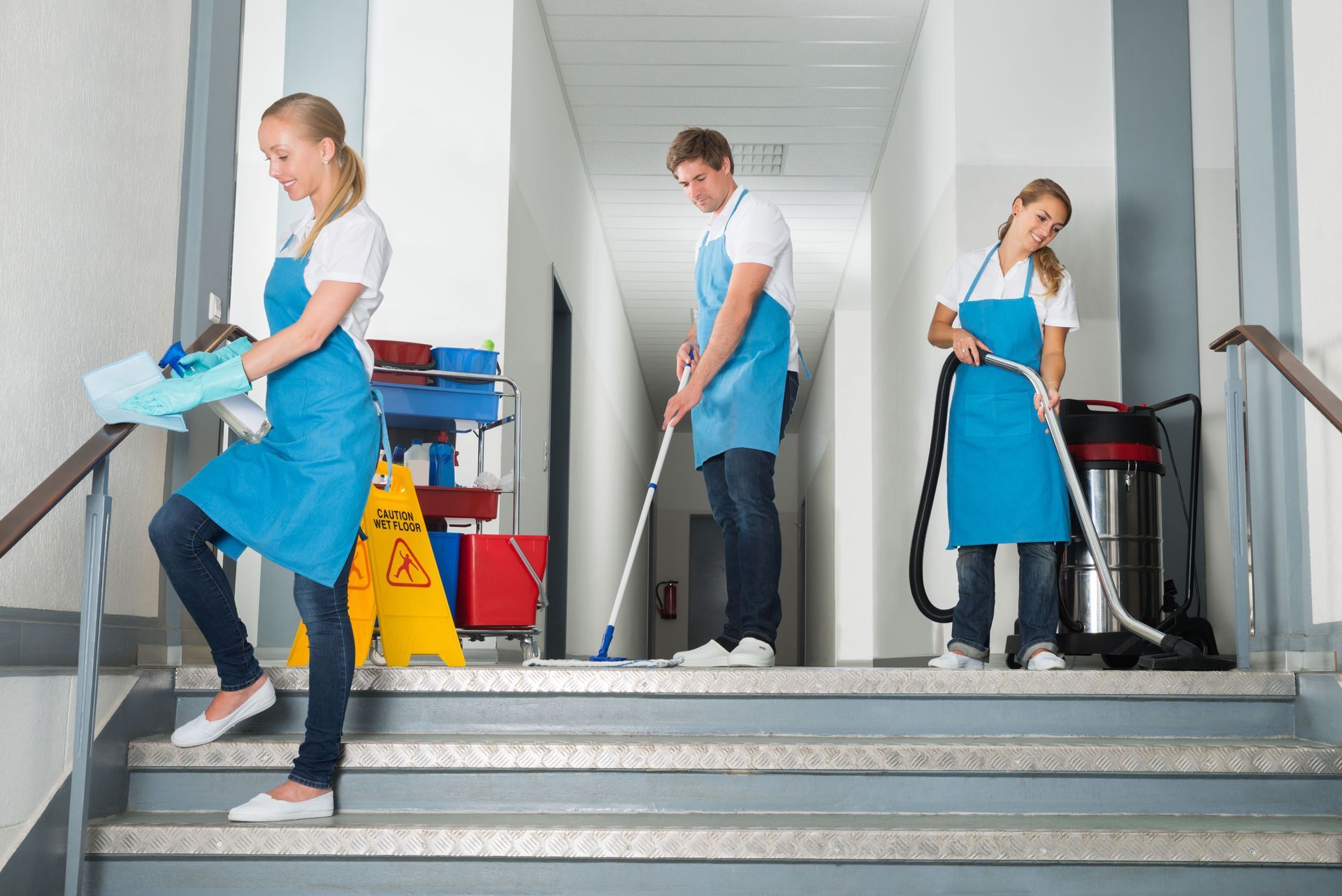
Slip and fall accidents are common workplace hazards that result in serious injuries. Effective janitorial services employ proper floor cleaning techniques to prevent such incidents. These include using appropriate agents and equipment designed to leave floors dry. In addition, janitors are trained to identify high-risk areas like entrances and pay particular attention to these spots during routine cleaning.
Regular routines help maintain the quality of floor surfaces and reduce wear. By staying proactive, janitorial staff can identify early signs of floor damage that could lead to accidents. Furthermore, specialized cleaning methods like steam cleaning or polishing make certain that different flooring types are cared for correctly. By prioritizing floor care, companies significantly reduce their liability risks.
An important aspect of safety is employee awareness and training. Services often include teaching staff about the importance of keeping walkways clear and reporting spills immediately. Collaboration between cleaning staff and other employees makes certain that everyone plays a part in maintaining safety. Given that employment for housekeeping is expected to increase by 3% through 2033, according to Jobber, these efforts are increasingly critical.
2. Minimizing Exposure to Harmful Chemicals
Certain cleaning agents pose health risks when used improperly. To address this concern, many janitorial services have shifted toward eco-friendly cleaning products that are less harmful to human health. These products are free from harsh chemicals and utilize natural ingredients that still offer effective cleaning power. By minimizing toxic exposure, these products help in creating a healthier work atmosphere.
Another way to minimize exposure is through proper storage solutions. Cleaning agents must be stored safely to prevent accidental leaks. Janitorial teams are trained in safe storage practices, including keeping chemicals in labeled containers and using ventilated areas. These precautions are vital in maintaining a healthy workspace, and regular audits verify compliance with safety regulations.
Incorporating Personal Protective Equipment (PPE) for cleaners further reduces chemical exposure. Training on the correct usage of gloves and masks is essential for those handling cleaning agents. This training safeguards staff and sets a precedent for a workplace safety culture. Continuous education keeps all involved parties up-to-date on chemical safety protocols to mitigate risks regarding exposures.
3. Controlling Illness and Infection Spread
Controlling the spread of illness and infections in workplaces is increasingly important. Janitorial services address this by providing regular disinfection of high-touch areas such as door handles and communal equipment. Using disinfectants effective against a wide range of pathogens is key. Regular disinfection contributes to a sanitary work setting, reducing the likelihood of disease transmission and protecting workplace health.
Scheduled deep cleaning processes are another layer of protection. By targeting areas often overlooked, deep cleaning eradicates pathogens that regular cleaning might miss. This proactive approach can include tasks like sanitizing carpets and air ducts. Maintaining these additional layers of cleanliness is crucial for fostering a low-risk environment, and a set schedule makes certain no area goes neglected.
Advanced cleaning technologies provide cutting-edge solutions for controlling infections. Custodians increasingly incorporate tools like UV light sanitizers and electrostatic sprayers for thorough cleaning. These technologies offer higher pathogen removal rates and can sanitize large areas rapidly. Implementing such technologies requires skilled personnel, emphasizing the importance of ongoing training for janitorial staff to fortify workplaces against potential health risks.
4. Enhancing Air Quality
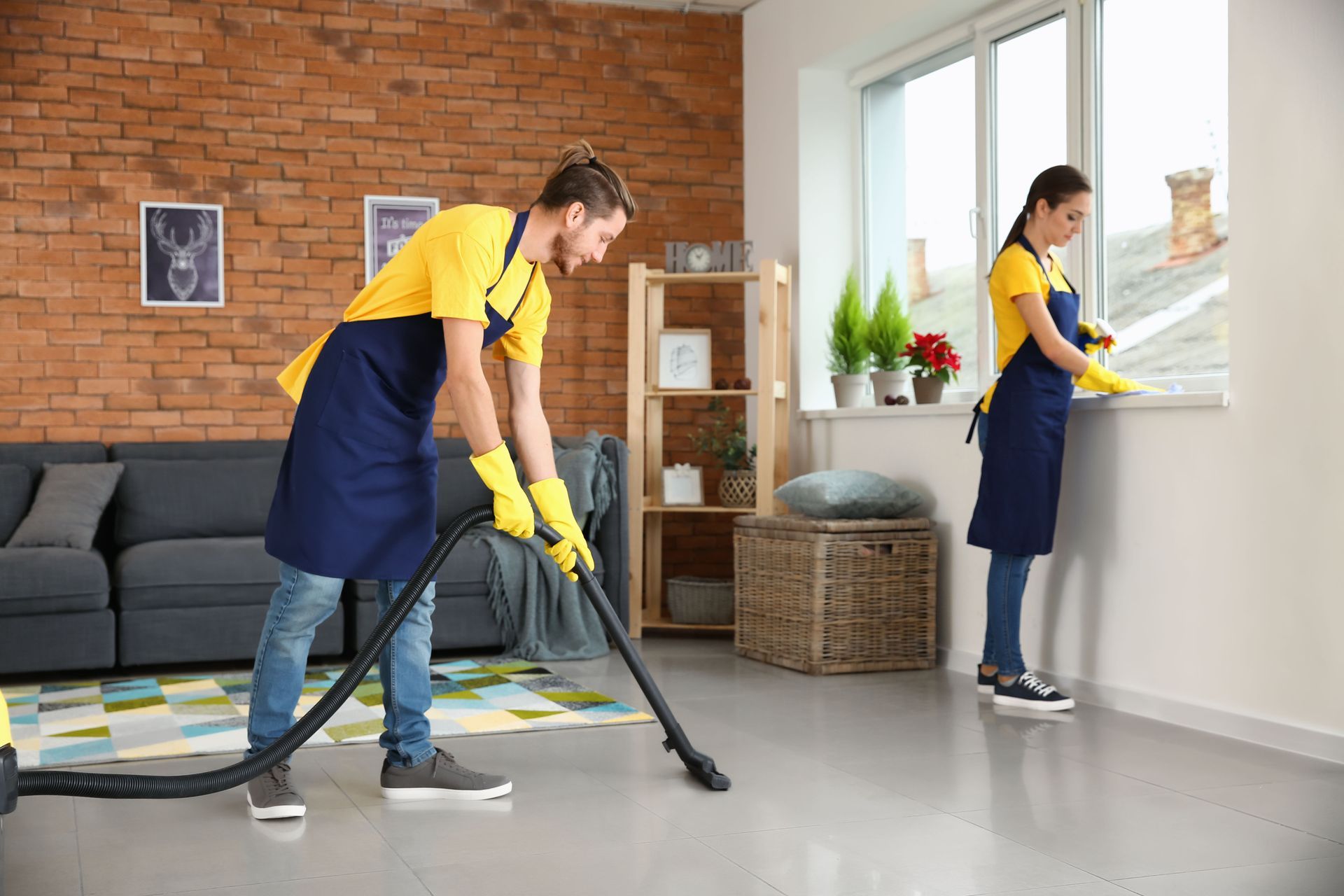
Air quality directly affects an employee's ability to work comfortably. Janitorial services provide regular dust and allergen removal to maintain optimal air quality. This routine includes using high-efficiency particulate air (HEPA) filters during vacuuming and addressing areas prone to dust accumulation. The management of these elements leads to a cleaner, more breathable working environment.
Maintenance of air filtration systems is essential in enhancing air quality. These systems require regular inspections and cleaning to operate efficiently. Janitorial teams are trained to identify when filters need replacement or when system cleaning is needed to facilitate peak performance. Cleaner air translates to fewer health complaints, demonstrating the significant impact of air quality management on workplace productivity.
Green cleaning solutions are also instrumental in reducing volatile organic compounds (VOCs). These products lower the emission of harmful VOCs that occur with traditional cleaning agents, contributing to better overall air quality. Companies adopting these practices not only comply with environmental standards but also enjoy the benefits of an invigorated workforce. Deodorizing techniques provide a fresh atmosphere conducive to work.
5. Improving Fire Safety
Fire safety is a fundamental aspect of workplace safety that janitorial services support. One essential task is clearing and maintaining exit routes to keep them free of obstructions at all times. Janitors frequently check these pathways during their cleaning routines to verify they are accessible in emergencies. This diligence in routine checks prevents unwanted hazards that could block or impede evacuation processes. Promoting unobstructed emergency exits is crucial for fire safety preparedness.
Proper disposal of flammable waste is another important fire safety practice facilitated by janitorial teams. They handle the segregation and disposal of potentially dangerous materials in compliance with safety standards. This practice minimizes fire risks and educates employees on hazardous material management. Beyond disposal, janitors are also involved in keeping areas around electrical equipment clean, reducing the build-up of flammable dust and debris.
Custodians also play an active role in the regular inspection of fire safety equipment. From fire extinguishers to alarm systems, these inspections verify that all equipment is functional and accessible. Maintaining cleanliness around this equipment is vital for its operation during emergencies. Janitors often collaborate with facility managers to address any identified issues promptly. An organized and clutter-free workspace further supports rapid response during fire emergencies.
6. Enhancing Mental Well-being
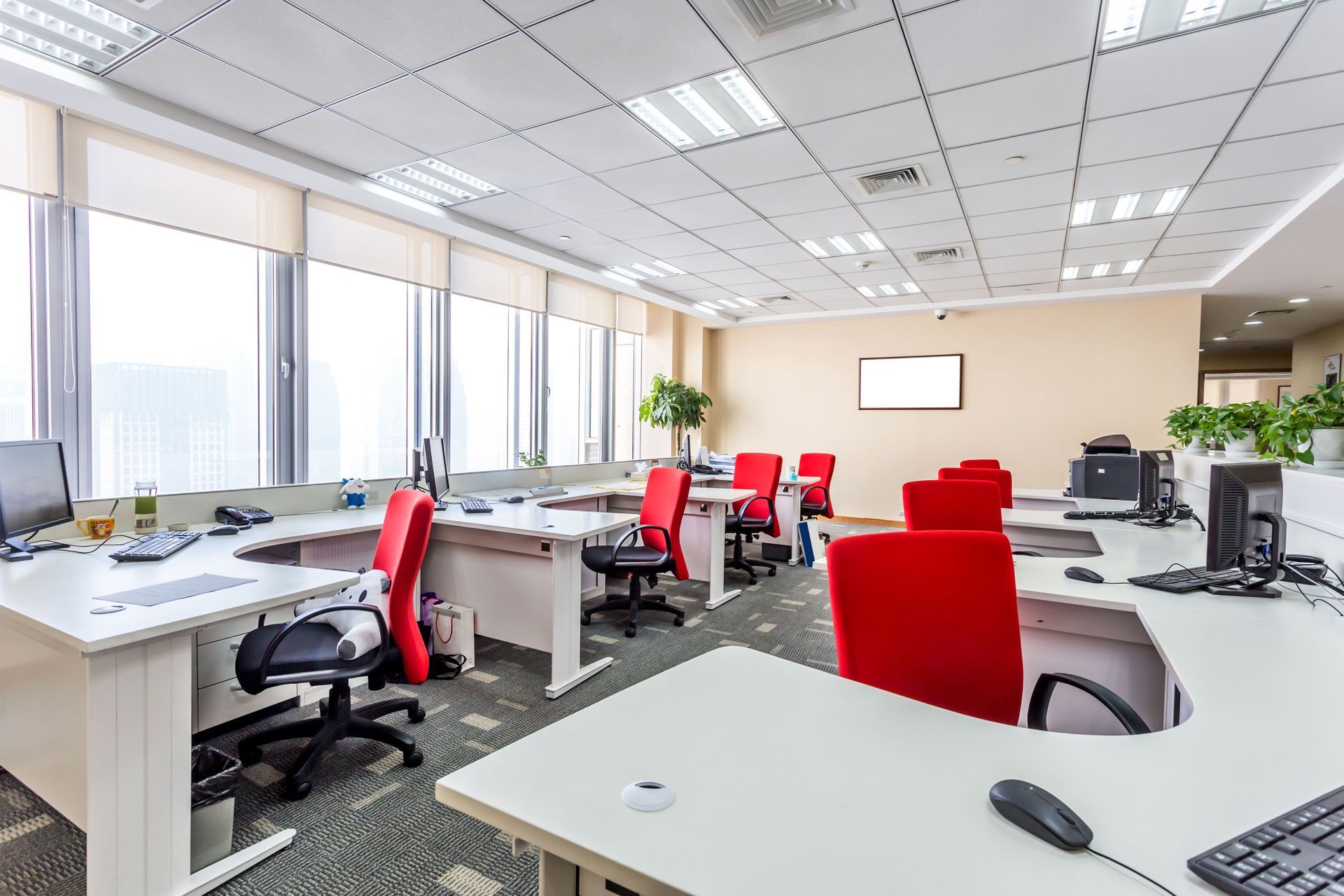
A clean and organized workspace significantly boosts employee morale and mental well-being. Janitors contribute to this by consistently maintaining a tidy environment that uplifts moods and fosters positivity. Employees are more motivated and efficient when working in spaces free of clutter and dirt. The psychological benefits of cleanliness are well-documented, demonstrating improved focus and reduced stress levels among employees who enjoy clean and inviting workspaces.
Workplace aesthetics also play a role in mental health, where designing calm and inviting workspaces can have a profound impact. Through strategic cleaning and organization, janitors help businesses create environments that encourage relaxation and creativity. Cleanliness acts as a foundation upon which businesses can build aesthetically pleasing and emotionally supportive workspaces. Furthermore, a neat environment encourages employees to organize their own workspaces.
Break areas play an important role in reducing workplace stress, which janitorial services enhance through cleanliness. By keeping these areas tidy and well-stocked, janitors support a comfortable respite for employees during busy workdays. Clean break spaces foster better social interactions and offer a moment of relaxation, contributing positively to overall mental health. Maintaining these zones complements other mental health initiatives by providing a physical space aligned with stress-relief goals.
Janitorial services are indispensable in promoting workplace safety and health. By employing strategic cleaning techniques, minimizing exposure to harmful substances, and reducing infection risks, they create a safe and productive environment. The consistent efforts to enhance air quality, fire safety, and mental well-being further extend their multifaceted impact. Contact the experienced team at Mina's Nice & Clean today for a free estimate and discover why we have been a top choice for meticulous residential and janitorial cleaning services since 2002.

Share On: